
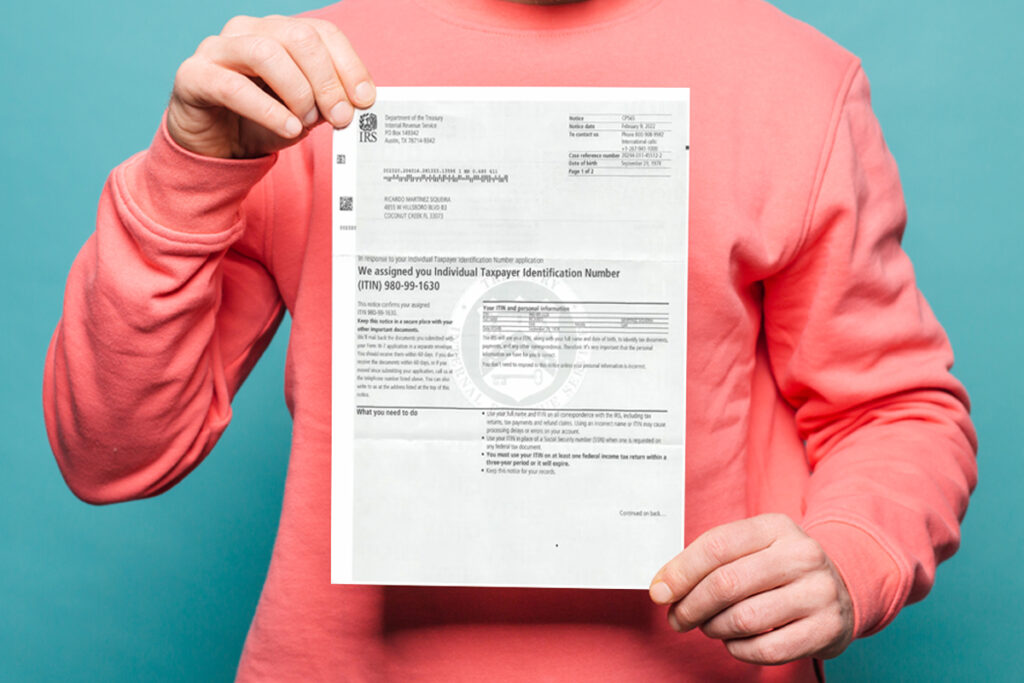

In the world of taxes and financial management, the Individual Taxpayer Identification Number (ITIN) plays a crucial role for many individuals. While it may not be as widely known as the Social Security Number (SSN), the ITIN is essential for those who need to navigate the U.S. tax system but are ineligible for an SSN. This article will delve into what an ITIN is, who needs one, how to obtain it, and its various uses and implications.
What is an ITIN?
An Individual Taxpayer Identification Number (ITIN) is a tax processing number issued by the Internal Revenue Service (IRS). Unlike the Social Security Number (SSN), which is used primarily for social security and other government benefits, the ITIN is used solely for federal tax reporting purposes. It is a nine-digit number formatted like an SSN (e.g., 9XX-XX-XXXX) but begins with the number 9.
Who Needs an ITIN?
The ITIN is designed for individuals who need to comply with U.S. tax laws but are not eligible for a Social Security Number. This includes:
- Non-Resident Aliens: Individuals who are not U.S. citizens or permanent residents and who have U.S. tax reporting obligations.
- Resident Aliens: Foreign nationals who are required to file U.S. tax returns under the substantial presence test or other residency requirements.
- Dependents and Spouses: Individuals who are dependents or spouses of U.S. taxpayers but do not qualify for an SSN.
- Foreign Investors: Individuals who own or invest in U.S. property or businesses and need to report income or claim tax treaty benefits.
How to Obtain an ITIN
Obtaining an ITIN involves a specific process. Here’s a step-by-step guide:
- Determine Eligibility: Verify that you fall into one of the categories that require an ITIN.
- Complete Form W-7: The application for an ITIN is made using Form W-7, “Application for IRS Individual Taxpayer Identification Number.” This form can be downloaded from the IRS website.
- Provide Documentation: You must provide documents that establish your identity and foreign status. Common documents include a passport, national identification card, or birth certificate. The exact documents required may vary depending on your specific situation.
- Submit the Application: The completed Form W-7, along with your tax return and required documentation, should be mailed to the address specified in the form’s instructions or submitted in person at an IRS Taxpayer Assistance Center (TAC). Alternatively, you can apply through a Certifying Acceptance Agent (CAA), who can help verify your documents and submit your application.
Uses of an ITIN
ITINs are primarily used for tax purposes, but they can have other implications as well:
- Tax Filing: Individuals with ITINs use them to file federal tax returns. It ensures that the IRS can process and track their tax filings.
- Bank Accounts: ITINs may be used to open U.S. bank accounts, particularly for those who do not have an SSN but need to engage in financial activities.
- Credit Applications: Some financial institutions accept ITINs when applying for credit, loans, or mortgages.
- State and Local Taxes: ITINs can also be used to comply with state and local tax requirements.
Being able to apply for US credit cards is one benefit in particular that can have substantial value through acquiring miles and points (read more: Frugal Flyer blog).
Maintaining and Renewing an ITIN
ITINs do not expire as long as they are used on a U.S. federal tax return at least once in the past three years. However, if an ITIN is not used on a federal tax return for three consecutive years, it may expire.
Renewing an expired ITIN involves once again submitting a new Form W-7 with the appropriate documentation. On the other hand, by ensuring to file a tax return once every three years you can keep your ITIN in active status.
Common Misconceptions About ITINs
- ITINs Are Not Work Permits: An ITIN does not authorize you to work in the U.S. It is strictly for tax reporting purposes.
- ITINs Do Not Provide Immigration Status: Having an ITIN does not grant you legal immigration status or affect your immigration proceedings.
- ITINs Are Not a Substitute for SSNs: While ITINs can be used for tax purposes, they cannot replace SSNs for purposes like obtaining social security benefits or qualifying for government programs.
Conclusion
The Individual Taxpayer Identification Number (ITIN) is a vital tool for many individuals navigating the U.S. tax system. By understanding who needs an ITIN, how to obtain one, and its uses, individuals can ensure they meet their tax obligations and manage their financial affairs effectively. If you believe you need an ITIN or have questions about your specific situation, consulting with a tax professional or reaching out to the IRS for guidance can provide clarity and support.
For the most current information and updates on ITIN procedures, always refer to the official IRS website or consult a qualified tax advisor.
1 thought on “Understanding the Individual Taxpayer Identification Number (ITIN): A Comprehensive Guide”